
EK-KYO
Finding Connections Beyond Words in Rural Japan 「言葉を超えたつながりを求めて―日本の田舎で」
2026/3/12
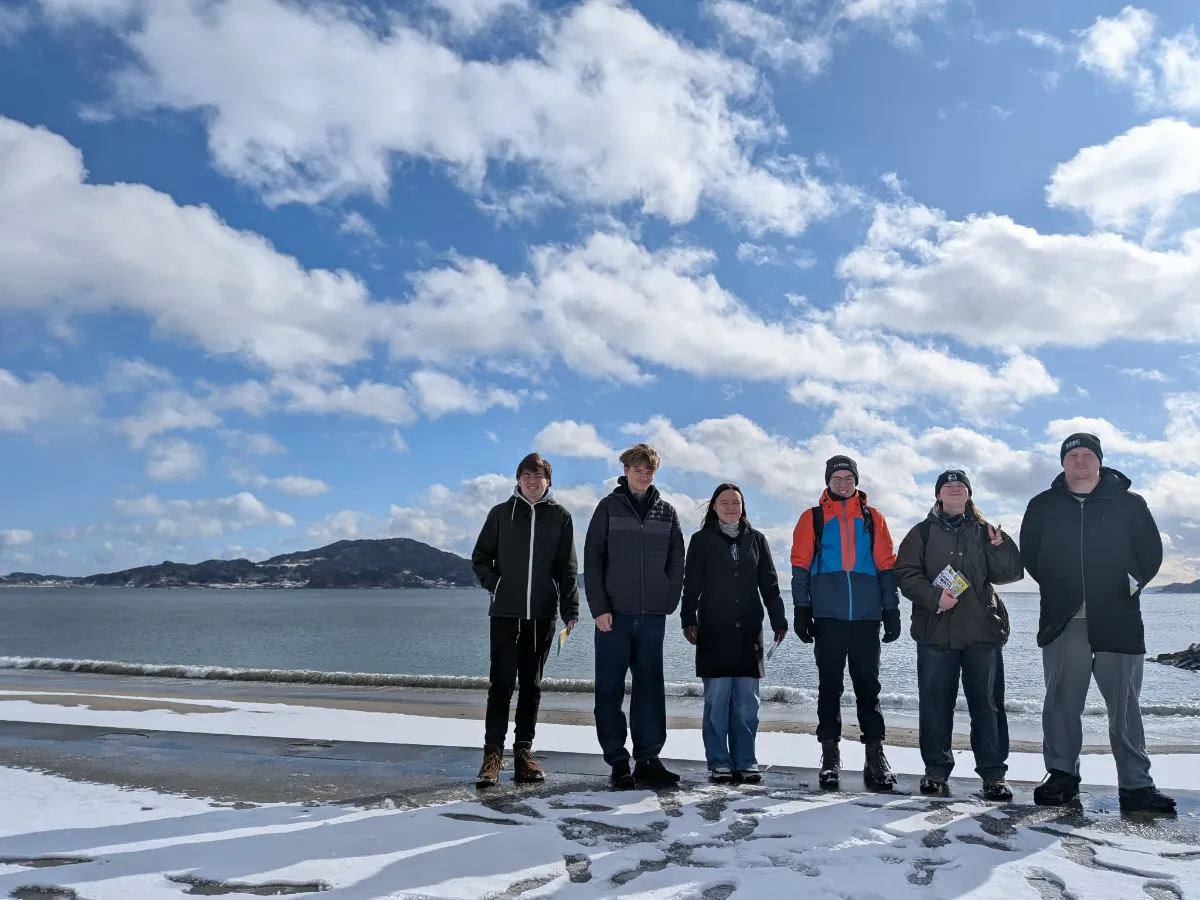
お話を伺った方
オランダ出身。デンマーク発祥の学び舎フォルケホイスコーレのプログラムで参加。ソーシャルな活動に関心があり日本を訪れる。
From joining a volunteer program in Japan to finding a world of “Social Capital”, receiving spontaneous gifts of seaweed, and experiencing connections that transcend language.
Whether you’re a traveler, a student, or someone seeking a deeper way of living, Tom’s journey offers a refreshing perspective on what it means to be part of a community.
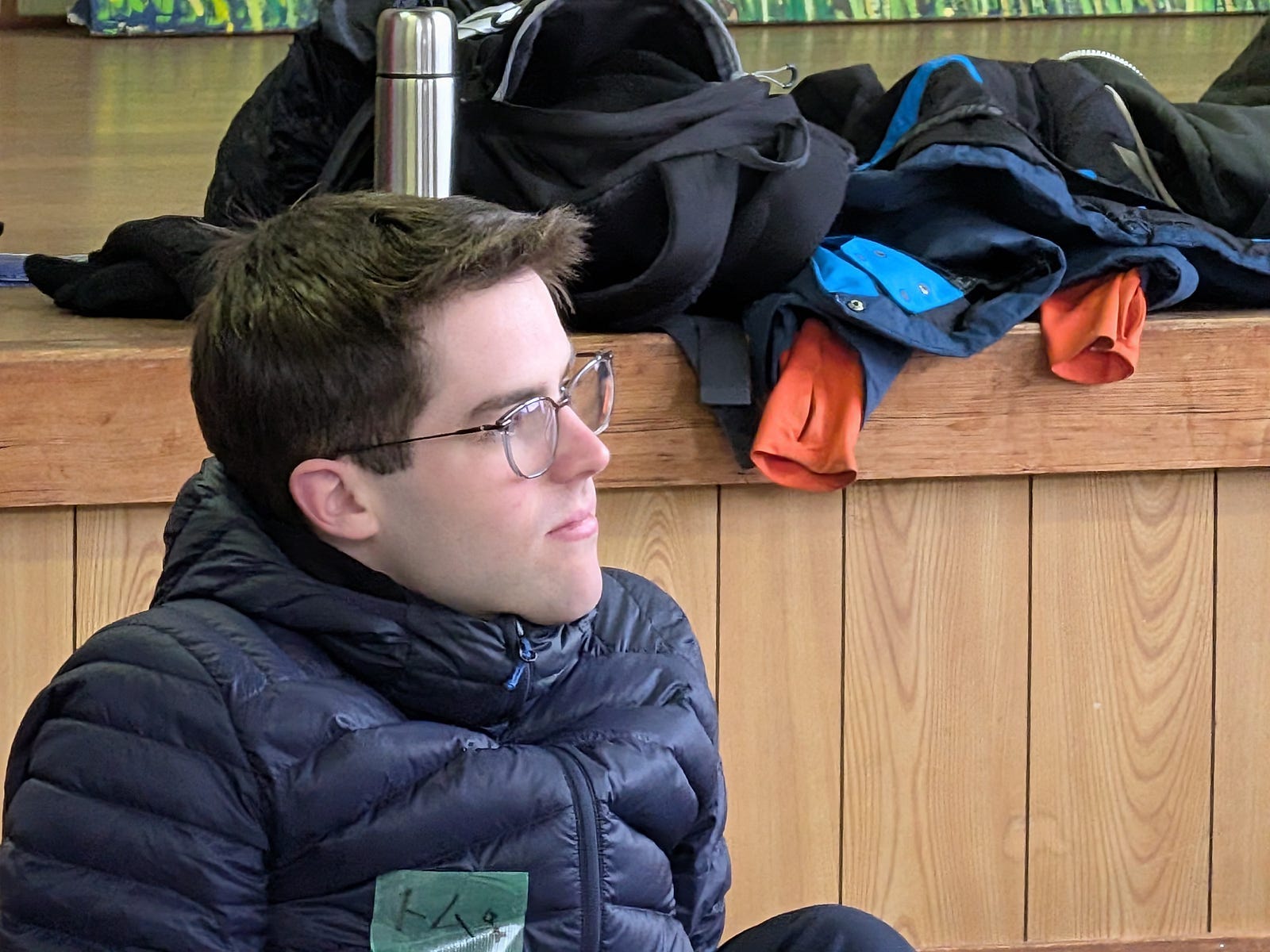
Q. At first, could you introduce yourself?
Tom: I’m Tom from the Netherlands. I attended a school in Denmark, and through their connection with this organization, I heard about the program and signed up. I wouldn’t have known about this place otherwise, but the school’s link made it possible for me to come.
Q. What was the most surprising sight or thing when you first arrived in this town?
Tom: When we arrived, it was dark, so we didn’t see much at first. But I am not used to the wild nature, the many tall pine trees, and the rocky, mountain-like coastline. It is a big difference from my home country.
The “Local Network” and Community
Q. Is there a word or event from your interaction with a local that left the deepest impression?
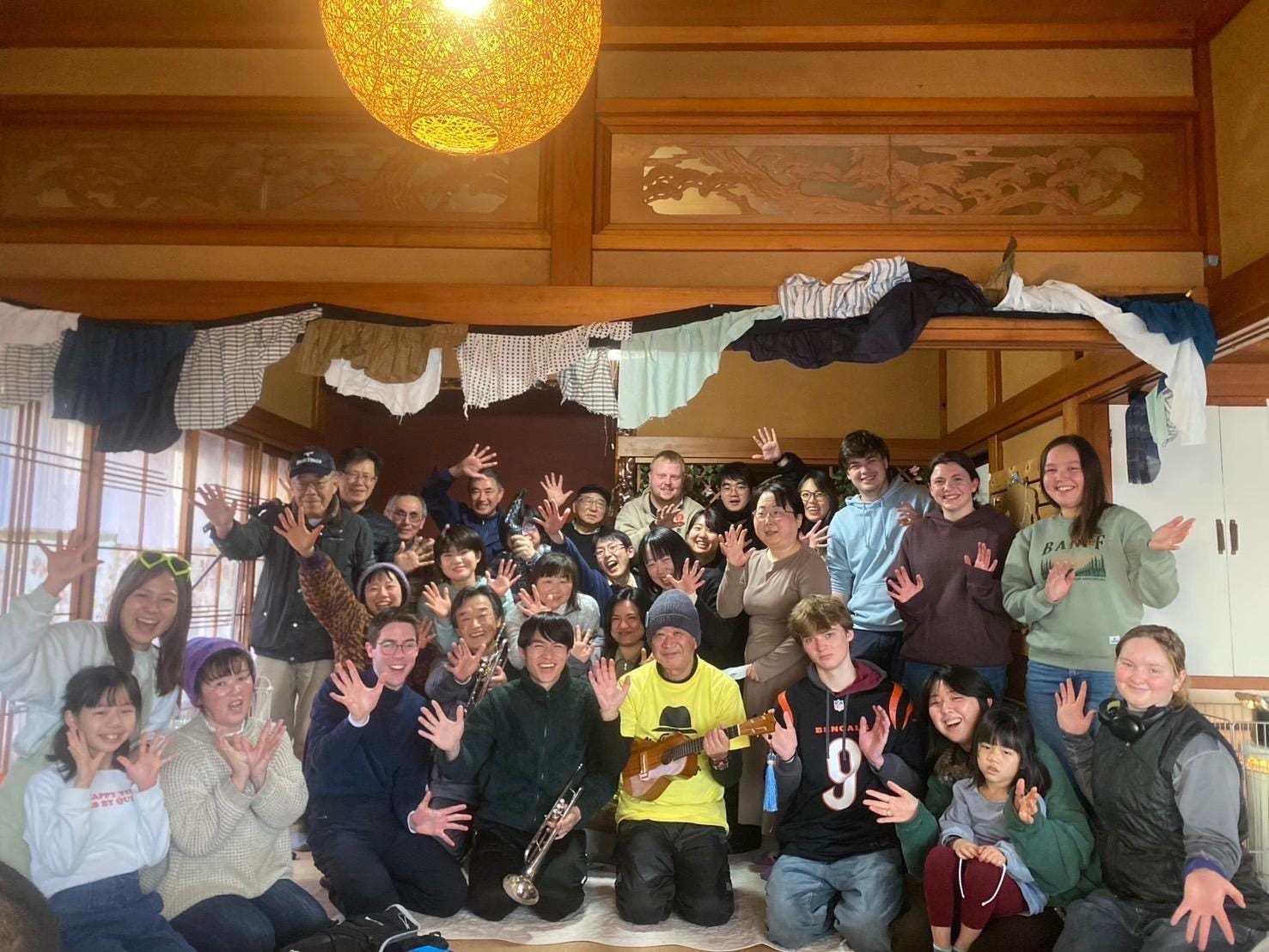
Tom: Multiple events where we met strangers who were very generous with their time.
One time at a tourist center, someone recognized me, talked with me, and then drove me around for two hours. The next day, I invited him to the cafe, and he actually showed up. He made made time for me spontaneously, which was very nice.
Q. What do you think is the unique luxury of this town that you absolutely cannot express elsewhere?
Tom: Maybe part of it is the shared history of the tsunami and the earthquake. I heard they received a lot of help from other countries after the event and now they want to give something in return. Maybe therefore, they are open and welcoming to foreign people. It’s a small enough community, so people know each other. If you meet a new person and tell them what you are doing, they will know the people or organizations you are with. There are a lot of connections. It’s a “local network” that is open and welcoming to foreign people, which I think is different from big cities like Tokyo or Osaka. At the same time, it is big enough to take up people from outside.
Communication Beyond Words
Q. Was there any moment when you felt a heart-to-heart connection with locals, even though you couldn’t communicate?
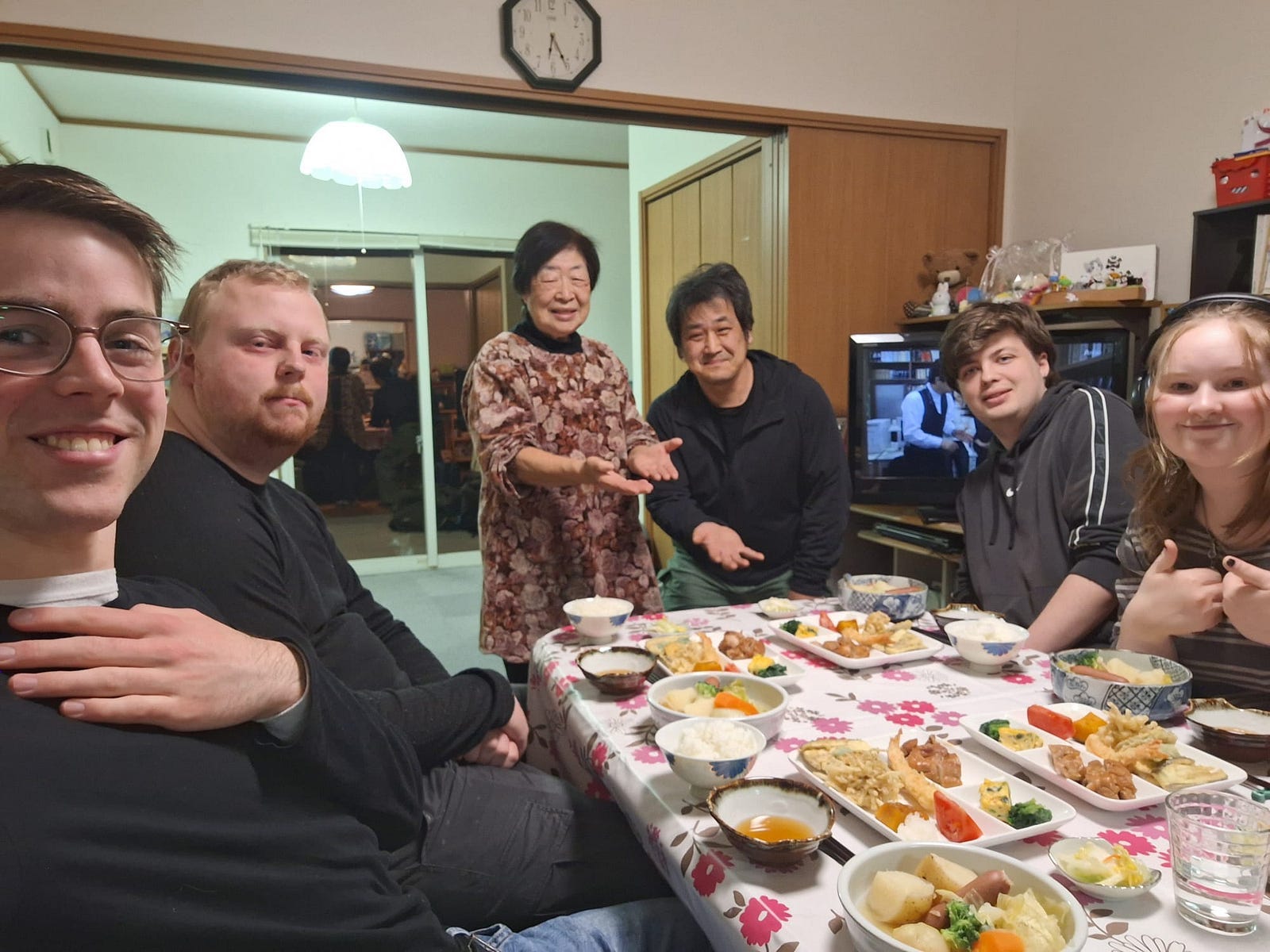
Tom: Yes, during our homestay. We ate together, shared photos, and petted a cat. Even though we did not understand each other, we kept trying to talk and interact with each other. There was a friendly atmosphere.
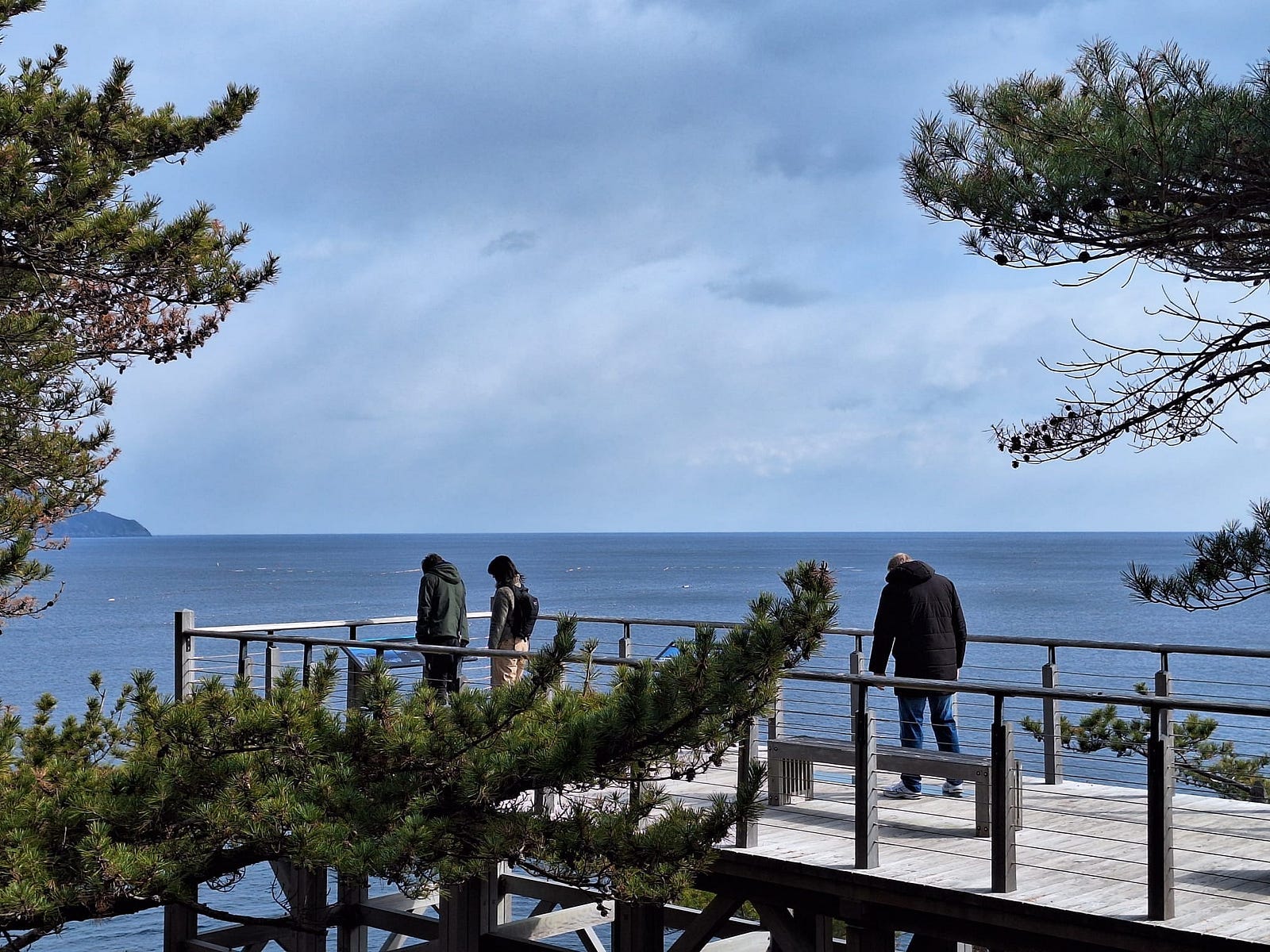
At some point, we were on a hill looking at the sea, the woman was talking in Japanese. I only understood a word or two, but she used gestures and really tried to explain things, so I felt a connection. She kept talking and smiling even though I couldn’t understand everything, because she wanted to interact with me.
Daily Life and Local Favorites
Q. What do you find the most inconvenient about being here in this area?
Tom: We are far away from many things and dependent on the bus. It basically only goes in the morning and returns around 12:00. If you want to go to the city, you are there for a very short time, or you have to walk a long distance.
Q. Did you find any favorite local shop during the quest?
Tom: I liked the pecan shop called Salon de Royal because of the background story shared by Akinobu, who has been taking care of the pecan field. I also enjoyed the sushi shop, the bookstore next to the library, and the restaurant “Senkaen,” which is run by local farmers, we joined them to support a community dinner that is organized for local children once a month to support families — I want to go back there for the crepes!
Shifting Values: Social Capital
Q. How does staying in this town change your own values or lifestyle?
Tom: I value “social capital” or “relational capital” more now. Being welcome to walk into a house, say hello, and sit down to talk — I would value that way more now.
Q. How did that change happen?
Tom: Experiencing it or receiving it.
Receiving someone’s generosity — inviting you in, giving you vegetables and seaweed just because you are there and said hello. The friendliness is overwhelming because what we can give is in no way in balance with what we have received from the people here.
Q. With this experience of “receiving,” what do you want to carry with you for the rest of your life from here?
Tom: That feeling of how amazing it is to receive. I want to remember that. When I go back home to the Netherlands, I think I would invite people to my house differently, especially when they are coming from a different country, because of how I was welcomed here. It felt genuine, and really shaped my experience of Japan.
Some Advice from Tom for People Who Are Planning to Come Here
・Talk with many people and be open to interacting.
・Show interest and ask questions to the people who live here — that’s the best experience you can get in return.
・Smile even if you don’t understand — a smile is common language.
_Editor’s Note:
_Watching Tom interacting with locals reminds me of the importance of being open and curious. I am so grateful to have him here with his sparkling eyes of curiosity.Most importantly, I learned how essential it is to try your best and act from the heart with sincere care for others — Sincere care is what truly builds a connection beyond words.
日本語Ver
ボランティアプログラムへの参加をきっかけに「ソーシャル・キャピタル」の世界と出会い、突然手渡される海藻のプレゼント、そして言葉を超えたつながりを経験する。
旅人であれ、学生であれ、より深い生き方を求めている人であれ、トムの旅はコミュニティの一員であることの意味について、新鮮な視点を与えてくれる。
Q. まず自己紹介をお願いします。
トム:オランダ出身のトムです。デンマークの学校に通っていて、そこからこの団体とのつながりでプログラムのことを知り、参加を申し込みました。そのつながりがなければ、この場所のことを知ることもなかったと思います。学校のつながりがあって、初めてここに来ることができました。
Q. この町に初めて到着したとき、最も驚いた光景や出来事は何でしたか?
トム:到着したのが暗くなってからだったので、最初はあまり見えませんでした。でも、豊かな自然、たくさんの高い松の木、岩がちで山のような海岸線には驚きました。自分の国とは大きく違います。
「地域のネットワーク」とコミュニティ
Q. 地域の人との交流の中で、最も印象に残っている言葉や出来事はありますか?
トム:見知らぬ人たちが、惜しみなく時間を割いてくれた場面がいくつもありました。 ある時、観光センターで誰かが私に気づいて声をかけてくれ、そのまま2時間も車で案内してくれました。翌日、私がカフェに誘うと、本当に来てくれたんです。突然のお誘いなのに時間を作ってくれて、本当にうれしかったです。
Q. この町にしかない特別な豊かさを、一つ挙げるとしたら何ですか?
トム:津波と地震という共通の歴史が関係しているのかもしれません。あの出来事の後、世界中から支援を受けて、今度は自分たちが恩返しをしたいと思っているのだと聞きました。だから、外国から来た人にも開かれた、温かい雰囲気があるのだと思います。コミュニティが適度な規模なので、みんなお互いを知っています。新しい人に出会って自分のことを話すと、あなたが関わっている人や団体のことをすでに知っていたりする。たくさんのつながりがある。東京や大阪のような大都市とは違って、外からの人にも開かれた「地域のネットワーク」があると思います。同時に、外からの人を受け入れられるくらいの規模もある。
言葉を超えたコミュニケーション
Q. 言葉が通じなくても、心が通じ合ったと感じた瞬間はありましたか?
トム:はい、ホームステイのときです。一緒に食事をして、写真を見せ合って、猫を撫でました。お互いに言葉はわからなくても、話しかけたり関わり合おうとしたりし続けました。とても温かい雰囲気でした。 ある時、丘の上で海を眺めていたら、その女性が日本語で話しかけてくれました。1つか2つ単語がわかるくらいでしたが、彼女はジェスチャーを使いながら一生懸命説明しようとしてくれて、つながりを感じました。私がすべてはわからなくても、彼女は話し続け、笑顔でいてくれた。私と関わりたいという気持ちが伝わってきました。
暮らしと地元のお気に入り
Q. この地域で暮らしていて、不便に感じることはありますか?
トム:いろいろな場所から遠く、バスに頼らざるを得ないことです。バスは基本的に午前中しか来なくて、帰りは12時頃になります。街に出ると、いられる時間がとても短くなってしまうか、長い距離を歩かないといけません。
Q. 今回の滞在中に、お気に入りのお店は見つかりましたか?
トム:ペカンショップの「サロン・ド・ロワイヤル」が気に入りました。ペカン畑を長年守ってきたアキノブさんが話してくれた背景のストーリーがとても良かったです。お寿司屋さん、図書館の隣の本屋さん、地元の農家さんが営む「仙果苑」も良かったです。仙果苑では、地域の子どもたちとその家族を支援するために月1回開かれるコミュニティ食を手伝いました。クレープがおいしかったので、また行きたいです!
価値観の変化:ソーシャル・キャピタル
Q. この町での滞在は、あなた自身の価値観や生き方を変えましたか?
トム:「ソーシャル・キャピタル(社会関係資本)」や「リレーショナル・キャピタル(関係的資本)」をより大切に思うようになりました。誰かの家にふらっと立ち寄って、「こんにちは」と言って、腰を落ち着けて話をする——そういうあり方を、以前よりずっと大切に思うようになりました。
Q. その変化はどのようにして起きたのでしょう?
トム:それを経験したから。受け取ったから。
誰かの寛大さを受け取ること——招き入れられること、ただそこにいてあいさつしただけで野菜や海藻をもらうこと。この町の人たちから受け取ったものと、自分たちが返せるものとは、とても釣り合わない。その温かさに、圧倒されてしまいます。
Q. この「受け取る」体験から、これからの人生に持ち帰りたいものは何ですか?
トム:受け取ることの素晴らしさ、あの感覚を忘れずにいたいです。オランダに帰ったら、外国から来た人を家に招く時の態度が変わると思います。ここで受けた歓迎を受けたから。本物の温かさで、日本での経験を大きく形づくってくれました。
これから来る人へ、トムからのアドバイス
・たくさんの人と話して、交流することに開かれていてください。
・ここで暮らしている人たちに興味を持って、質問してみてください——それが一番の体験につながります。
・わからなくても笑顔で。笑顔は共通言語です。
西山七海
西山七海
トムが地域の人たちと交流する姿を見ていると、オープンで好奇心を持ち続けることの大切さを改めて感じます。好奇心で輝くその目でここに来てくれたことを、心から嬉しく思います。 そして何より、誠実な思いやりを持って、ひたむきに、心から行動することの大切さを学びました——言葉を超えたつながりを本当に生み出すのは、誠実な思いやりなのだと。
カテゴリーから選ぶ